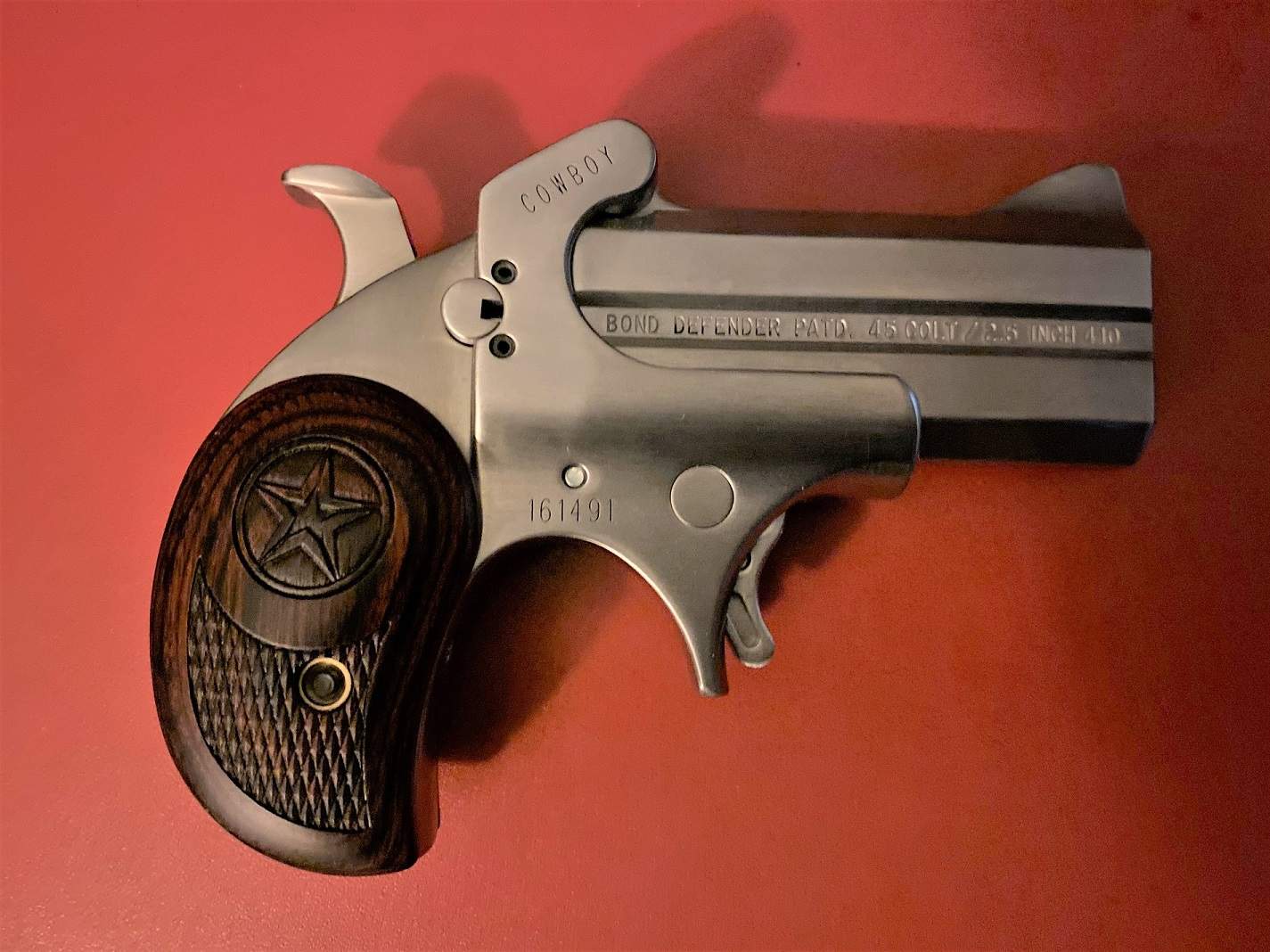
Derringer became the generic term for small pocket pistols, even though Henry Deringer’s own name had only one “r.” That spelling accident says something about the gun’s reach. The original Philadelphia pistol became so widely copied that the name outgrew the maker.
Henry Deringer and the Philadelphia Pocket Pistol
Henry Deringer was one of the notable American gunmakers of the 19th century. Born in Pennsylvania in 1786, he learned the trade in a family already connected to gunmaking and eventually built a reputation around compact, well-made pistols suited to close-range personal protection.
His Philadelphia Deringer was small, concealable, and simple. It was not a repeating pistol like the revolvers that later came to dominate the market. It was a single-shot pocket pistol, but it was easy to carry and effective at the short distances for which it was intended.
For collectors, the derringer matters because it turned a personal-defense tool into an instantly recognizable American form.
Why “Deringer” Became “Derringer”
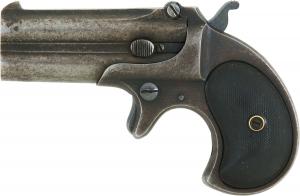
The original maker was Henry Deringer, but the copied and competing versions often appeared under the spelling “derringer.” Over time, that two-r spelling became the generic word for small pocket pistols. It is one of those cases where the marketplace, rather than the inventor, decided the spelling history would remember.
By the middle and late 1800s, derringers had become associated with gamblers, travelers, civilians, lawmen, outlaws, and anyone who wanted a small firearm that could be carried discreetly. Their appeal came from size and immediacy rather than capacity or sustained firepower.
The Remington Double Derringer
Remington helped define the cartridge-era derringer in the public imagination. The Remington Double Derringer added a second barrel and chambered the pistol for .41 rimfire, giving the form a distinctive over-and-under profile that remains instantly recognizable.
The Remington design also moved the derringer beyond the single-shot muzzleloading world. Its tip-up or pivoting barrel concept made loading and unloading more practical, and the double-barrel design offered a second shot without making the pistol large.
Recommended Reading
For readers who want a closer look at the Remington Double Derringer, design details, parts, and mechanical layout, a dedicated reference book belongs beside the pistol on the bench.
View Remington Double Derringer BookAs an Amazon Associate I earn from qualifying purchases.
Famous, Infamous, and Historically Heavy
Derringers carry a complicated historical weight. The most infamous example is the pistol used by John Wilkes Booth in the assassination of President Abraham Lincoln. That single act permanently linked the small pocket pistol to one of the most tragic moments in American history.
Another famous association comes from the gangster era. A Remington .41 caliber Double Derringer was confiscated from John Dillinger when he was arrested in Tucson, Arizona, in January 1934. That pistol later sold at auction, adding another layer to the derringer’s role as both artifact and object of collector fascination.
From Single-Shot Pocket Pistols to Modern Miniatures
The derringer idea evolved with ammunition and manufacturing. Early pocket pistols were muzzleloading arms. Later examples moved into rimfire and metallic cartridges, and various makers experimented with barrel arrangements, loading systems, finishes, and frame materials.
By the late 19th and early 20th centuries, the automatic pistol and compact revolver began taking over much of the practical market. Still, the derringer did not disappear. It survived because the concept was simple: make a pistol as small as practical and give the carrier a last-resort option.
Collector Takeaway
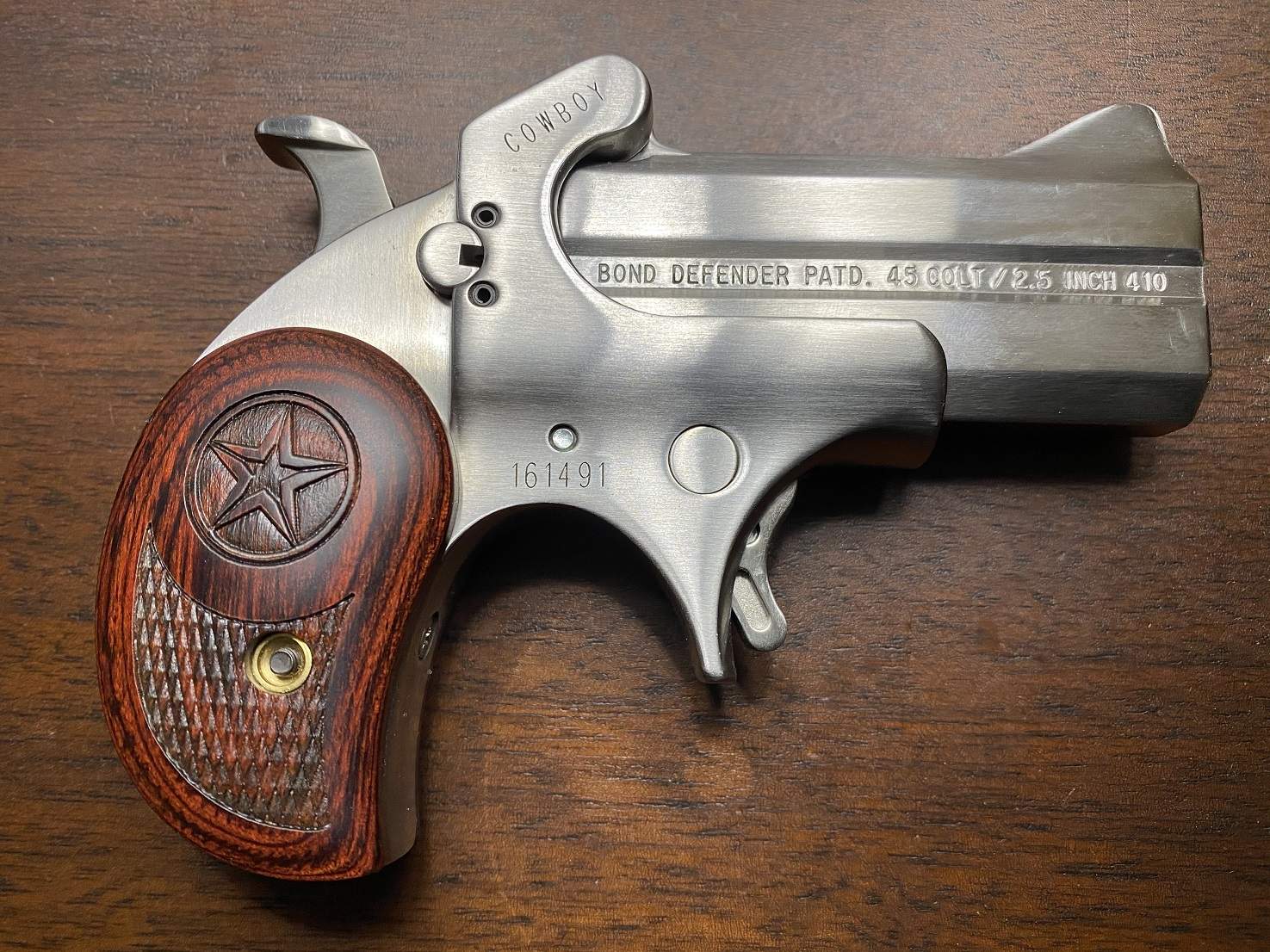
The derringer is not important because it was the most powerful, most accurate, or most advanced handgun of its age. It is important because it solved a human problem in a memorable shape. It was small enough to carry, simple enough to understand, and distinctive enough to become a category all its own.
For collectors, condition, maker, markings, mechanical originality, historical association, and provenance matter. A common small pistol can be interesting. A documented example connected to a known maker, era, or event becomes something larger: a pocket-sized artifact of American firearms history.
Derringer Holsters and Carry Gear
Small pistols often need purpose-built pocket, belt, or storage gear. This page includes a holster resource for readers comparing accessories for derringer-style pistols.
Browse Derringer HolstersAs an Amazon Associate I earn from qualifying purchases. Links are included for reader convenience and site support.

About Greg Cook
Greg Cook writes about firearms collecting, personal history, and the stories behind interesting guns. His Army MOS was 76Y, Unit Armorer, and he brings that practical background to collector articles.