Magnum Cartridges
Definition
A magnum cartridge is a reference to a very specific type of firearms cartridge that is engineered with either a larger-sized case, or a case derived from a similar cartridge that is the same caliber of bullet and case shoulder shape. When you hear someone referring to a magnum firearm, they are referring to a gun that utilizes a magnum cartridge.
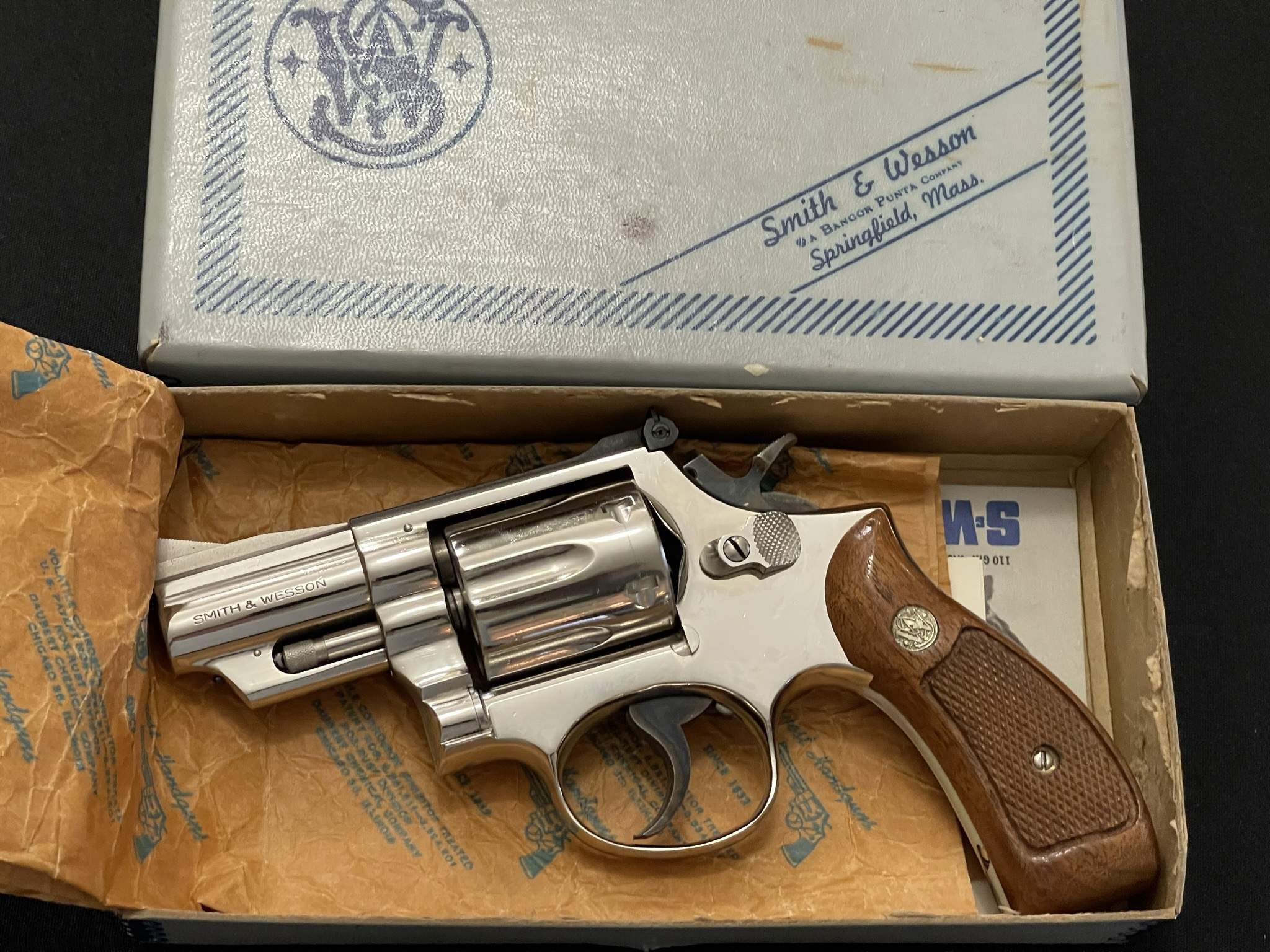
1972 Smith and Wesson .357 Magnum Model 19-3
The brand and word Magnum have come to enter the public consciousness with innovations such as the .357 Magnum and its subsequent popularization by the likes of the movie, Dirty Harry. Despite all of the legends that pop culture has concocted around the invention of magnum cartridges, the real story lies in its pragmatic design and use that makes possible a single, pre-assembled type of ammunition that contains a projectile, a propellant and a primer. This made for far more convenient transportation, as well as drastically increased handling during shooting.
Any cartridge or shotshell loaded without an actual projectile payload is commonly referred to as a blank. (Thought I'd just throw that in there.)
Examples
There is a vast array of examples of magnum cartridges. Most of them can be bucketed into either the category of rifles or handguns, depending on their end use. There are short, standard-length and long magnum cartridges.
Some of the most popular and historically significant firearms that take magnum cartridges are:
- - Colt Python - The finest production revolver ever made.
- - .357 Magnum – One of the most popular guns in history; modeled after the original Smith & Wesson .38 Special
- - .32 H&R Magnum
- - .41 Remington Magnum
- - .327 Federal Magnum
- - .500 S&W Magnum
- - .475 Wildey Magnum
- - .44 Magnum
- - .454 Casull
Magnum cartridges are also utilized in many of the world’s most popular rifles:
- - .264 Winchester Magnum
- - .270 Winchester Short Magnum
- - 7mm Remington Magnum
- - .22 Winchester Magnum Rimfire
- - .222 Remington Magnum
- - .257 Weatherby Magnum
- - 7mm Weatherby, Winchester Short Magnum, Remington Short Action
- - 7.82mm (.308) Lazzeroni Patriot
- - .17 Hornady Magnum Rifle
- - .300 Remington Ultra Magnum
- - .338 Remington Ultra Magnum
- - .270 Weatherby Magnum
- - .378 Weatherby Magnum
- - .460 Weatherby Magnum
- - .458 Winchester Magnum
- - .300 Lapua Magnum
- - .338 Lapua Magnum
- - .300 Norma Magnum
- - .375 H&H Magnum
- - .244 H&H Magnum
And then there Magnum Shotguns in various gauges, that fire 3" shells.
History
The history of magnum cartridges is, in some sense, the history of the entire gun design and manufacturing industry. How so? It is in the sense that these higher-powered cartridges with their larger casings were developed to fit either the desire or the need for different requirements and needs for increased power and functionality, or in one way or another, to make the capabilities of certain firearms, whether handguns or rifles, more powerful and more efficient. This ethos could not but spread to the way that subsequent firearms and firearms ammunition were conceived and developed. We see magnum cartridges used throughout history in some of the most important firearms.
Related Collector Topics

About Greg Cook
Greg Cook writes about firearms collecting, personal history, and the stories behind interesting guns. His Army MOS was 76Y, Unit Armorer, and he brings that practical background to his collector articles.