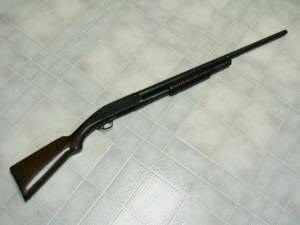
The 1909 Remington UMC pump shotgun represents an earlier and more experimental era of American repeating shotgun design. Long before the Model 870 became a household name, Remington and its competitors were still working through the best way to make a reliable, practical slide-action shotgun.
This example is especially interesting because of its bottom-ejection layout and early patent-era character. It sits in the story between black-powder-era sporting arms, John Browning’s influence on repeating shotguns, and the later Remington pump guns that became American standards.
Old pump shotguns are not just obsolete tools. They are mechanical evidence of the period when makers were still deciding what the modern shotgun should look like.
Bottom Ejection and Early Pump-Gun Thinking
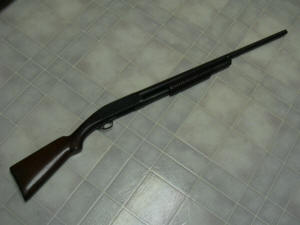
The Remington UMC pump shotgun shown here is a 12-gauge shotgun with patent dates associated with the early 1900s. Its bottom-ejection system sent fired shells downward rather than out the side, a feature that made the gun naturally usable from either shoulder.
Bottom ejection is attractive to collectors because it reflects a different design path than the side-ejecting pump shotguns that later dominated the market. It also gives the gun a distinctive mechanical personality when compared with later Remington designs.
Remington Context and Collector Value
Remington’s long history began in the early nineteenth century and expanded far beyond sporting arms. By the early twentieth century, the company was producing repeating firearms, ammunition, and sporting arms that helped shape American gun culture.
The 1909 pump may not have become the legendary commercial success that the 870 later achieved, but that is part of its collector interest. It shows Remington experimenting, competing, and refining the ideas that would eventually lead to some of the most successful shotguns in the world.
| Item to Check | Why It Matters |
|---|---|
| Patent dates | Confirm the period and help distinguish early design features. |
| Receiver and barrel markings | Support identification and help detect mixed or altered parts. |
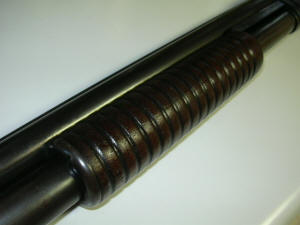
| Wood condition | Original stocks and forearms are important on older working shotguns. |
| Function and safety | Early repeaters should be inspected carefully before any firing is considered. |
Collector Insight
The 1909 pump is valuable as a chapter in Remington’s development story.
It may not have the mass-market fame of the 870, but it helps explain how American shotgun makers moved from inventive experiments to the durable pump guns that defined the twentieth century.
Preservation and Handling
With older shotguns, the best collector approach is conservative. Preserve original finish, avoid unnecessary refinishing, keep replaced parts documented, and have the chamber and mechanical condition evaluated by a qualified professional before considering live fire.
Related Reading

About Greg Cook
Greg Cook writes about firearms collecting, personal history, and the stories behind interesting guns. His Army MOS was 76Y, Unit Armorer, and he brings that practical background to his collector articles.