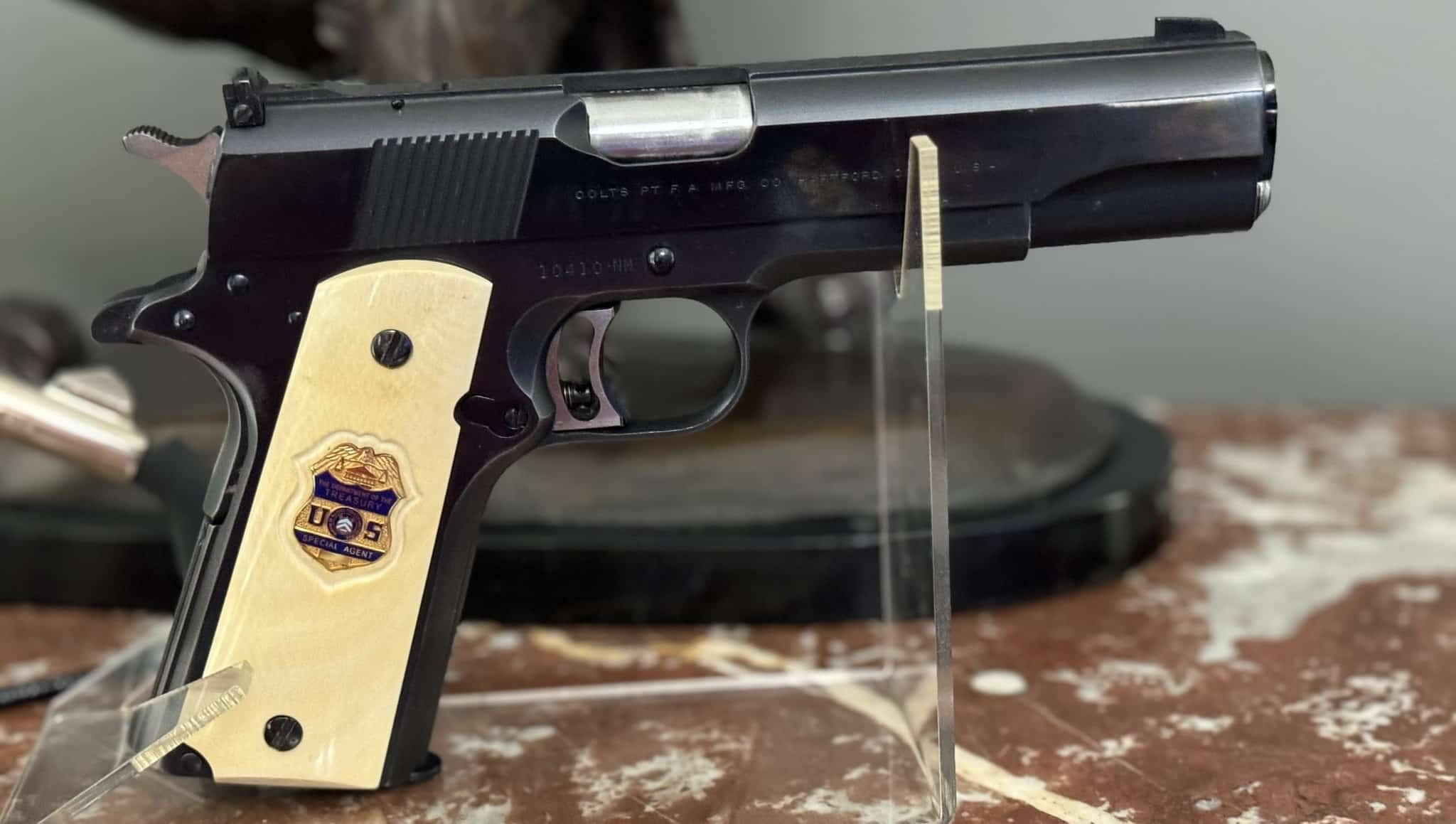
Semi-Automatics are one of the core paths into Gun Collectors Club. This page is designed less like a gallery and more like a collector’s map: the goal is to help a reader understand what to look for, why certain examples matter, and where to go next.
Use this page as the semi-auto gateway: start with the 1911 series and 1962 Gold Cup, then branch into the Woodsman, Luger, Browning pocket pistols, custom 1911s, and later compact carry designs.
Good collecting begins with categories, but it becomes interesting when the category leads to a story: a maker, a model, a finish, a year, a family connection, or a design that could not quite be repeated today. This beginner‑to‑expert guide walks you through each stage of becoming a serious handgun collector.
Why Semi-Automatics Became Dominant
Semi-automatic pistols reshaped handgun collecting because they combined compact dimensions, faster reloading, and increasingly refined mechanical reliability into one platform. Early semi-autos were not immediately trusted by everyone. Revolvers remained deeply respected for simplicity and durability. Over time, however, improvements in ammunition, metallurgy, extractor systems, magazines, and feed geometry pushed semi-automatic handguns into military service, law enforcement use, target competition, and eventually everyday concealed carry.
Collectors often discover that semi-automatic pistols tell a broader industrial story than many revolvers. Semi-autos reveal changing machining techniques, wartime production shortcuts, postwar polishing standards, commercial embellishment trends, and evolving ideas about defensive handguns. A prewar Colt pocket pistol feels entirely different from a wartime service pistol, and both differ dramatically from a polished National Match target gun or a modern compact carry pistol.
The Browning influence runs through nearly every major semi-automatic design category. Locked-breech operation, magazine placement, grip angle, recoil systems, and slide geometry all reflect principles that shaped twentieth-century handgun development. Even collectors who focus primarily on Colts eventually find themselves comparing Brownings, Lugers, Hi-Powers, Smith & Wesson autos, and later custom 1911 derivatives because the mechanical lineage becomes impossible to ignore.
Condition evaluation is especially important with collectible semi-autos. Original magazines, factory grips, boxes, paperwork, and period accessories can dramatically influence value. Collectors also pay close attention to feed-ramp modifications, refinishing, replacement sights, altered safeties, and aftermarket coatings. A pistol that appears visually attractive may have lost considerable collector value if originality has been compromised.
Important Semi-Automatic Collecting Eras
Prewar commercial pistols remain highly desirable because of their machining quality, polish, and historical association. Wartime pistols attract collectors interested in military production, inspection marks, and battlefield history. Postwar target pistols represent another major category, especially guns connected to bullseye competition and precision shooting culture during the Baby Boom years.
Modern collectors are also beginning to study the transition into compact carry pistols from the 1970s through the early polymer era. Stainless compact Colts, early concealed-carry designs, and transitional defensive pistols increasingly represent the next generation of collectible semi-autos. Many of these firearms were heavily carried and modified, making high-condition original examples more difficult to locate than collectors initially expect.
How to Think About This Category
Featured Collector Guides
These articles are the best next stops from this foundation page. They combine photography, personal notes, manufacturing context, and collector details.
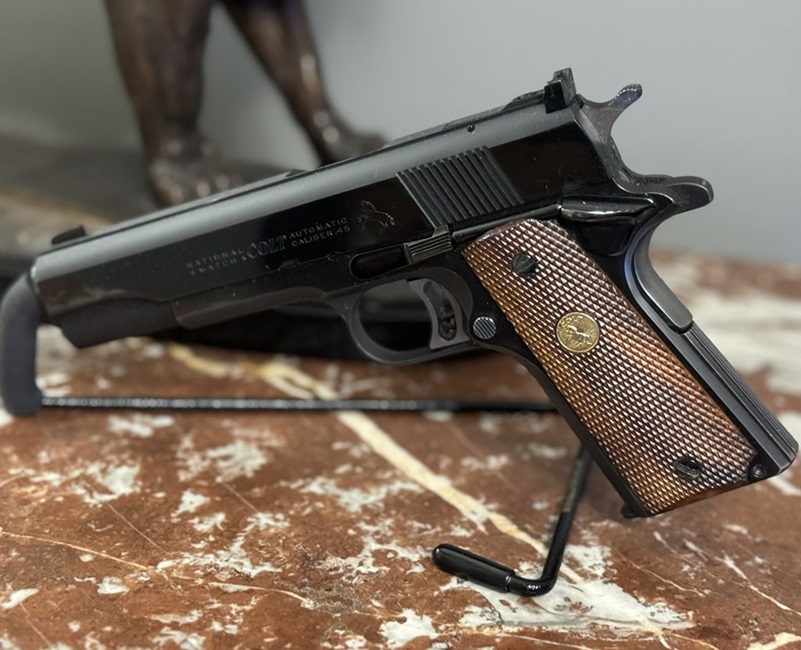
1962 Gold Cup
A flagship target pistol with the finish and presentation details collectors remember.
Read guide →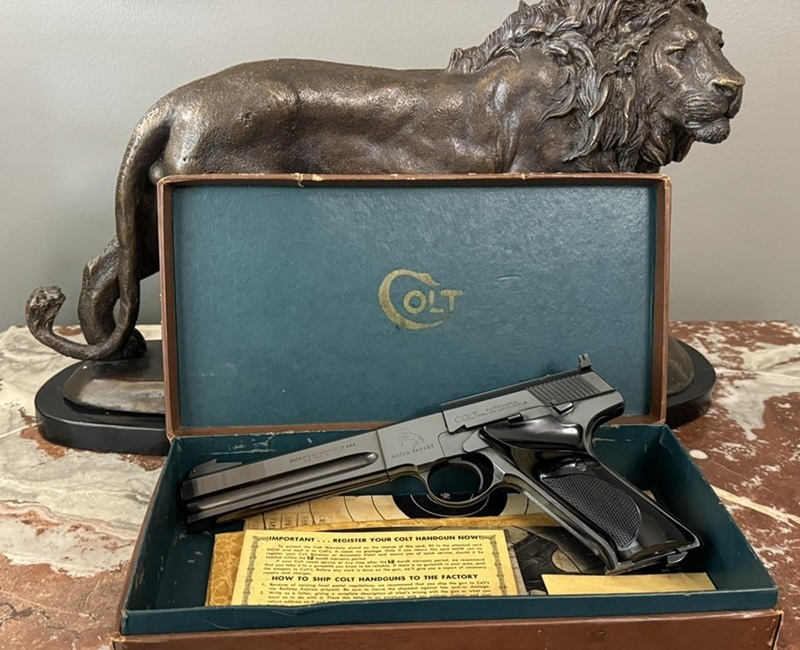
1955 Match Target
A classic Colt target semi-auto tied directly to the Baby Boom period.
Read guide →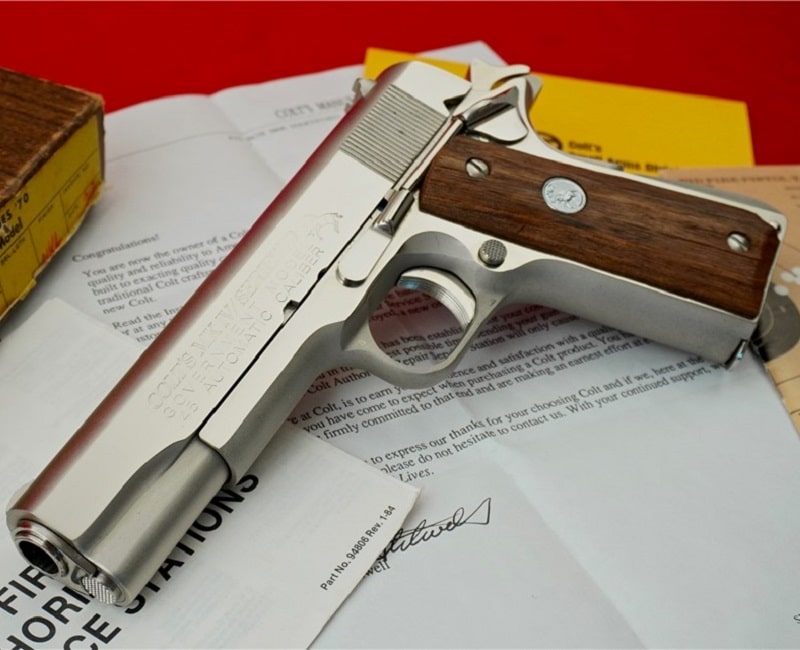
1972 Colt Government Model .45 ACP
A Government Model foundation piece for understanding the 1911 collector path.
Read guide →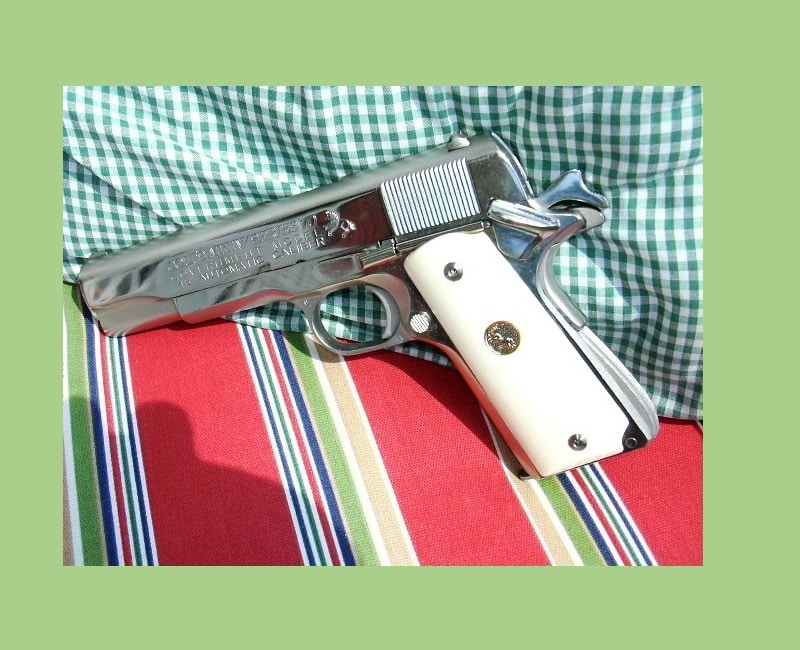
1970 Series 70 Colt 1911 Government Model
Series 70 and the long shadow of the 1911 in American handgun collecting.
Read guide →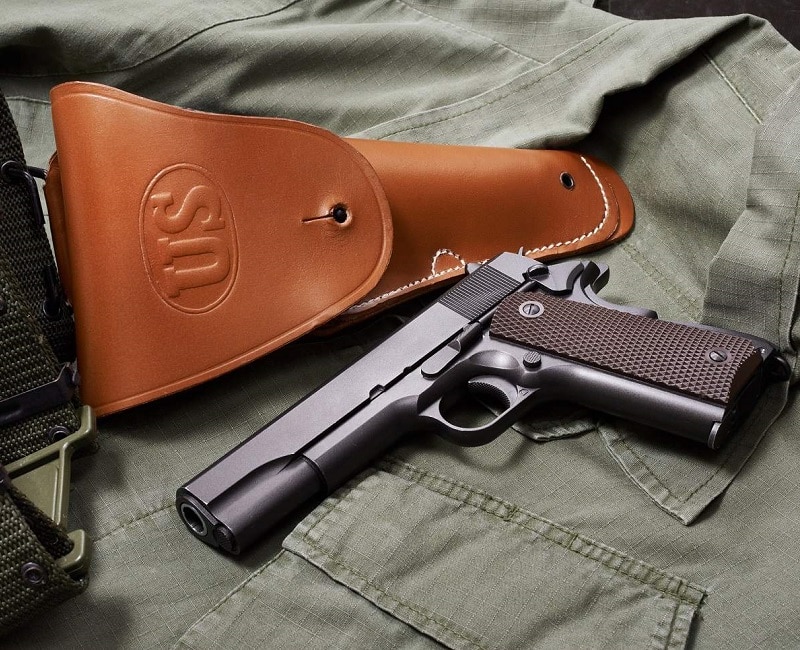
Military M1911 .45 ACP
The military 1911 as the historical starting point for a century of semi-auto development.
Read guide →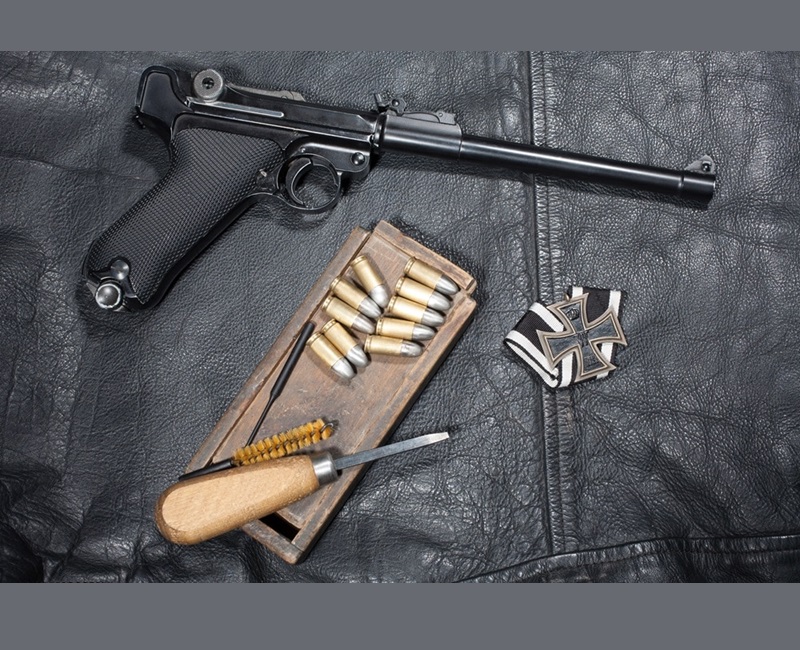
German Luger P.08 Luger
European engineering, toggle-lock history, and enduring collector fascination.
Read guide →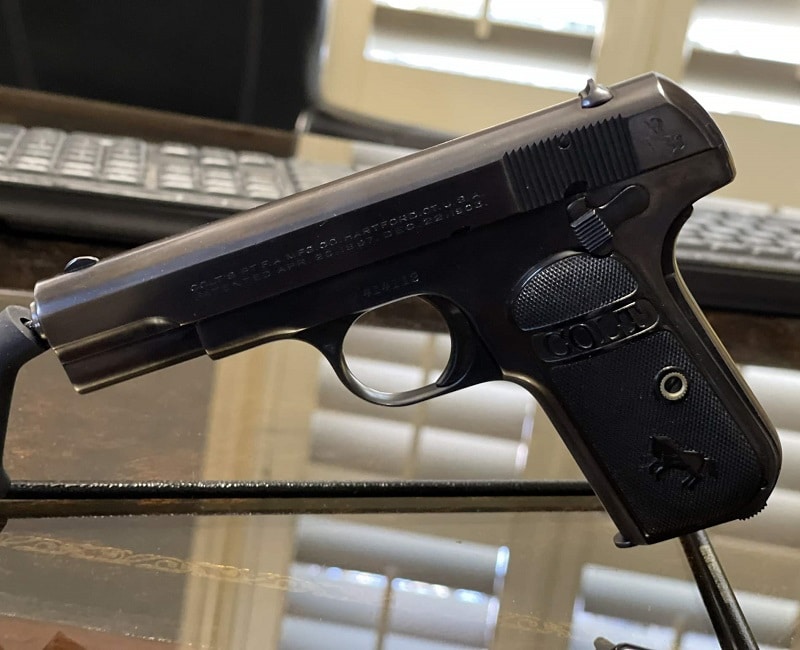
1903 Colt Pocket Hammerless .32 ACP
A Colt pocket pistol that shows how early semi-autos became refined carry pieces.
Read guide →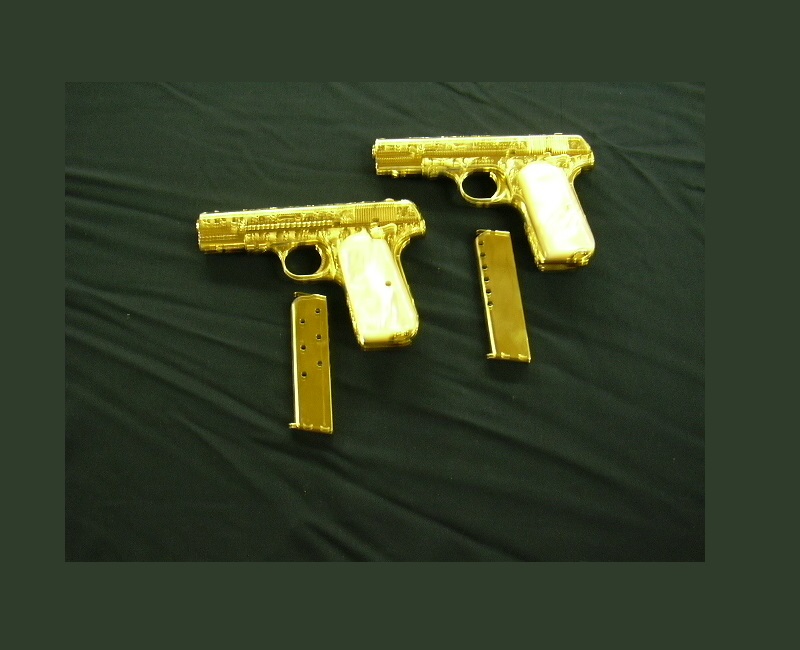
1929 Colt Model 1908 A Pair of .380s
Pocket Hammerless collecting, proportions, finish, and Colt prewar/postwar continuity.
Read guide →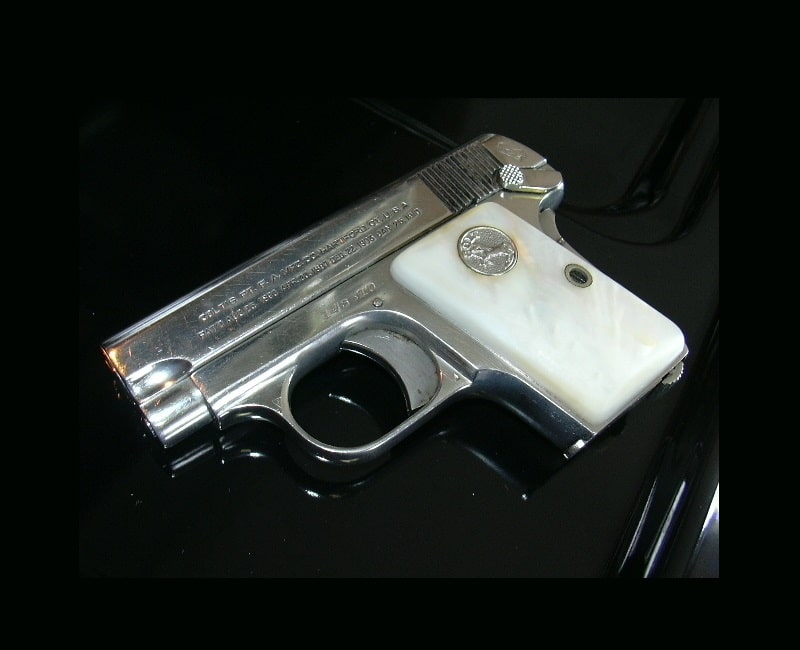
1908 Colt Vest Pocket 1916 Colt Model 1908
A tiny Browning-linked design with outsized collector charm.
Read guide →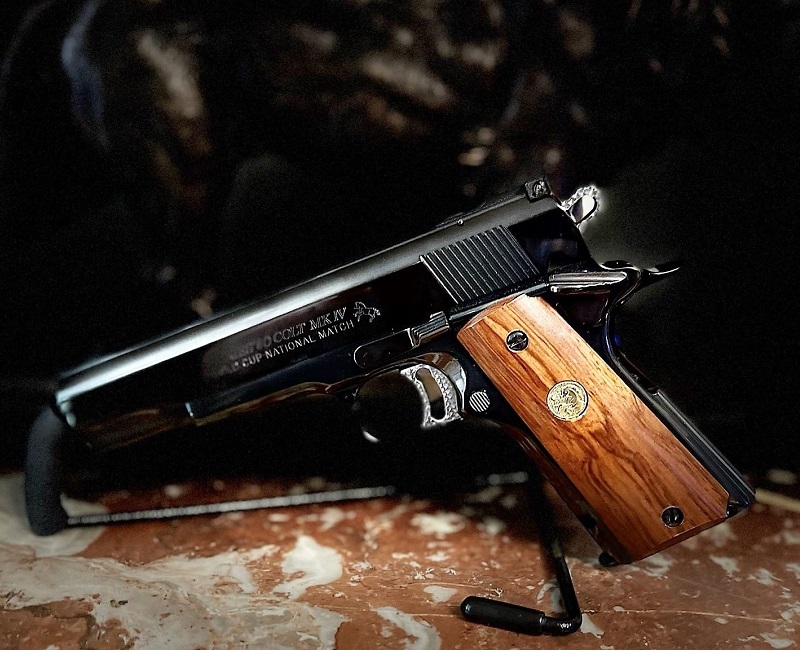
1993 Presentation Gold Cup National Match
A later Gold Cup that continues the National Match tradition.
Read guide →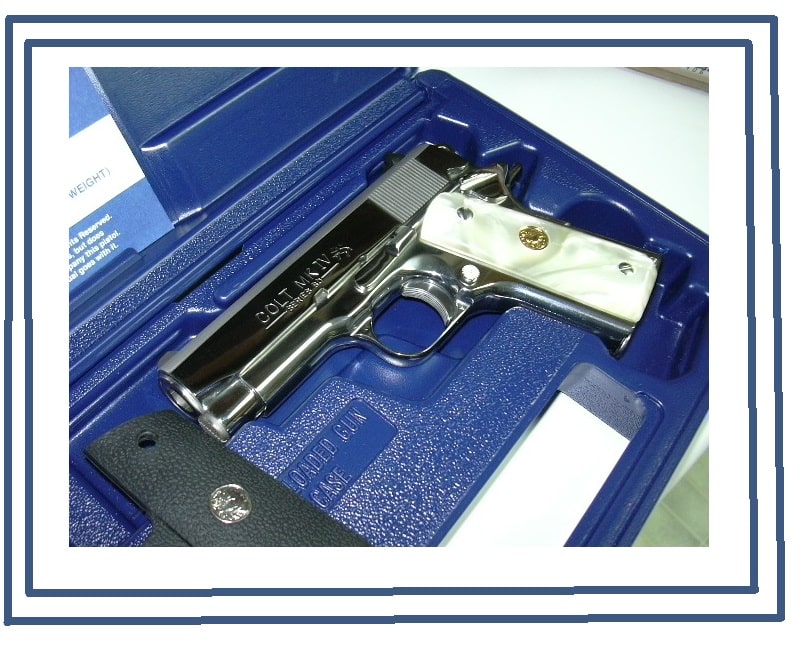
1991 Colt Officer's ACP Bright Stainless
The compact 1911 idea and the carry-focused evolution of the platform.
Read guide →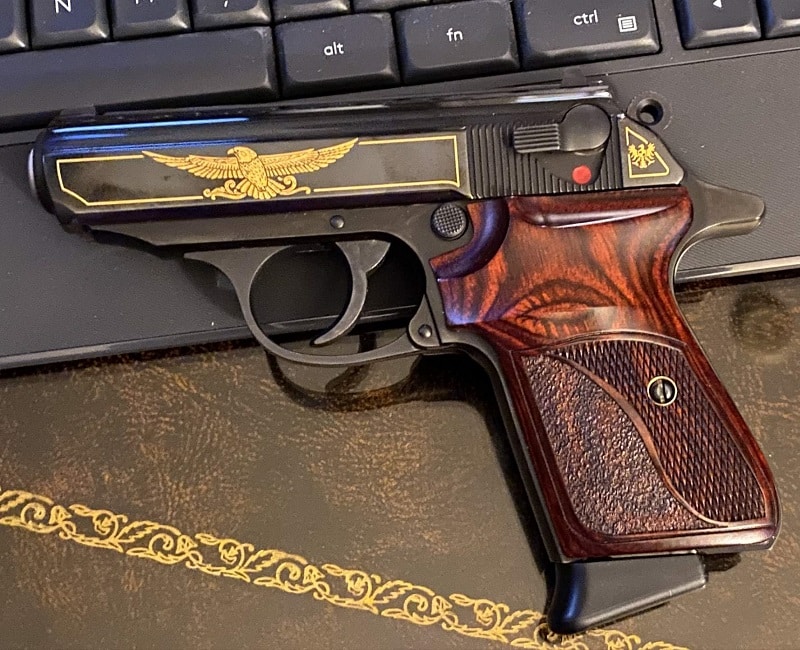
Limited Edition .380 1 of 500
A European pocket-pistol icon and a natural comparison to American carry designs.
Read guide →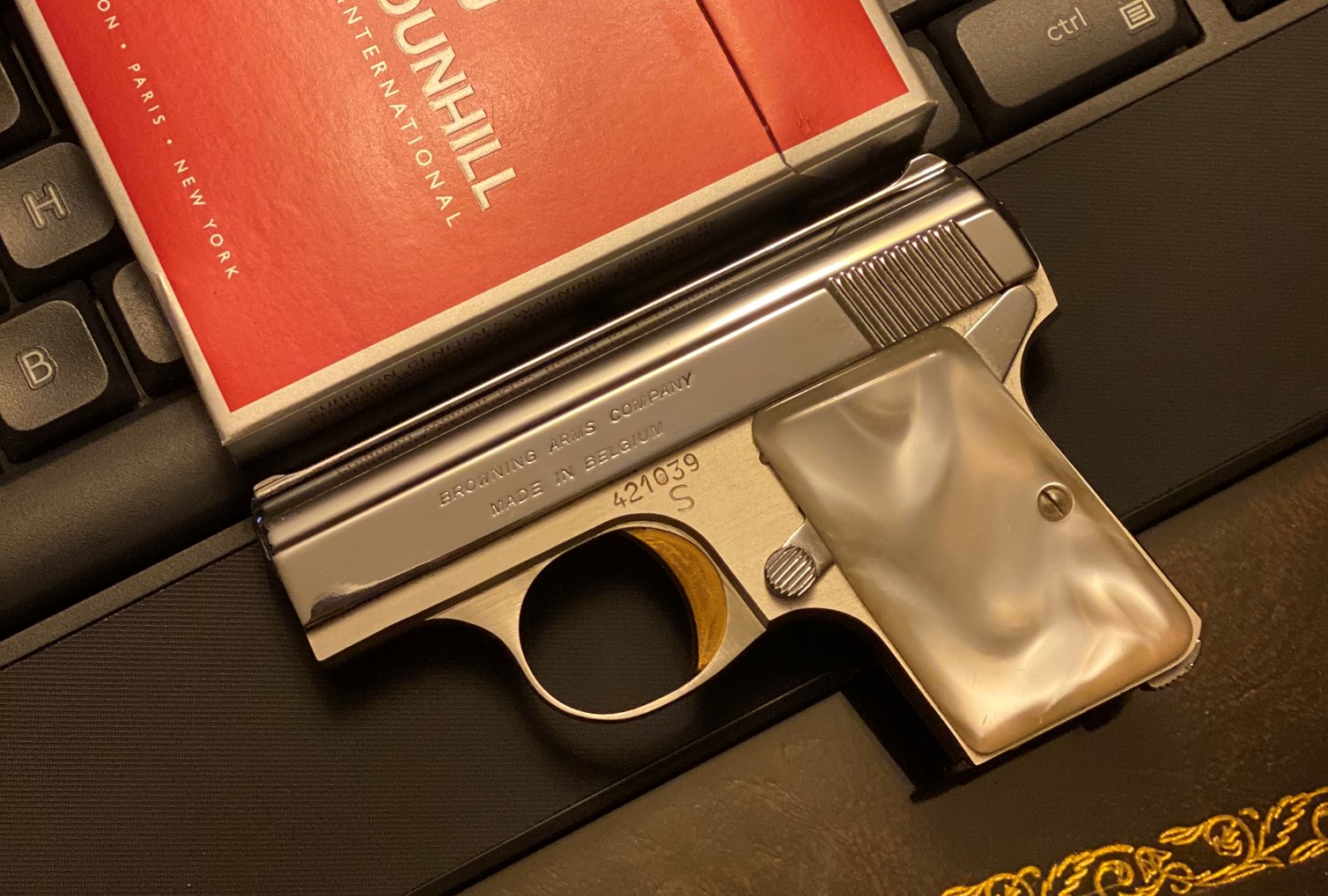
1968 Baby Browning .25 Caliber Pistol
A tiny Belgian-made FN Browning pocket pistol imported just before the 1968 cutoff.
Read guide →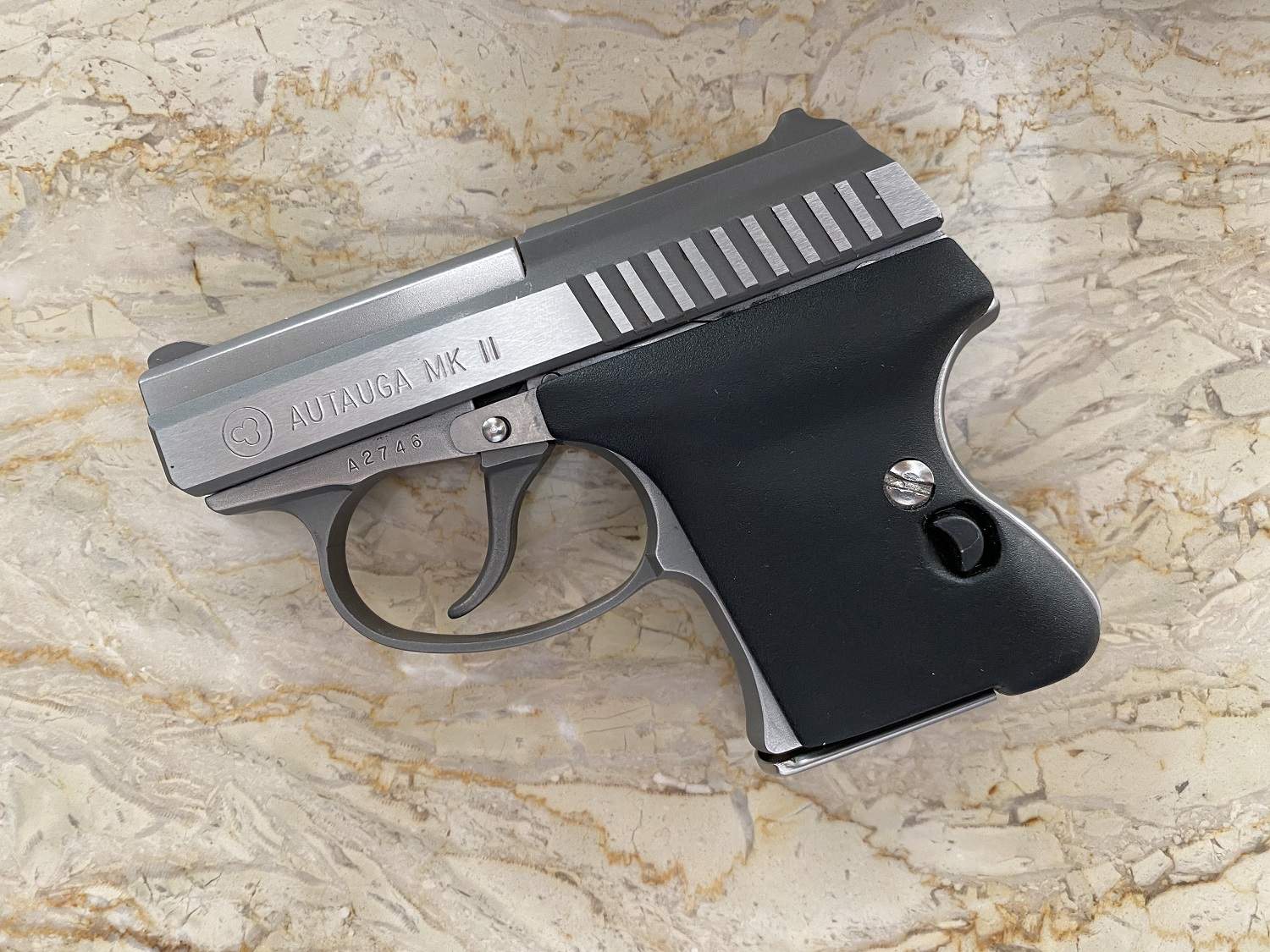
Autauga Arms Mk II .32 ACP
A short-run Prattville, Alabama pocket pistol with Seecamp-like lines and niche collector appeal.
Read guide →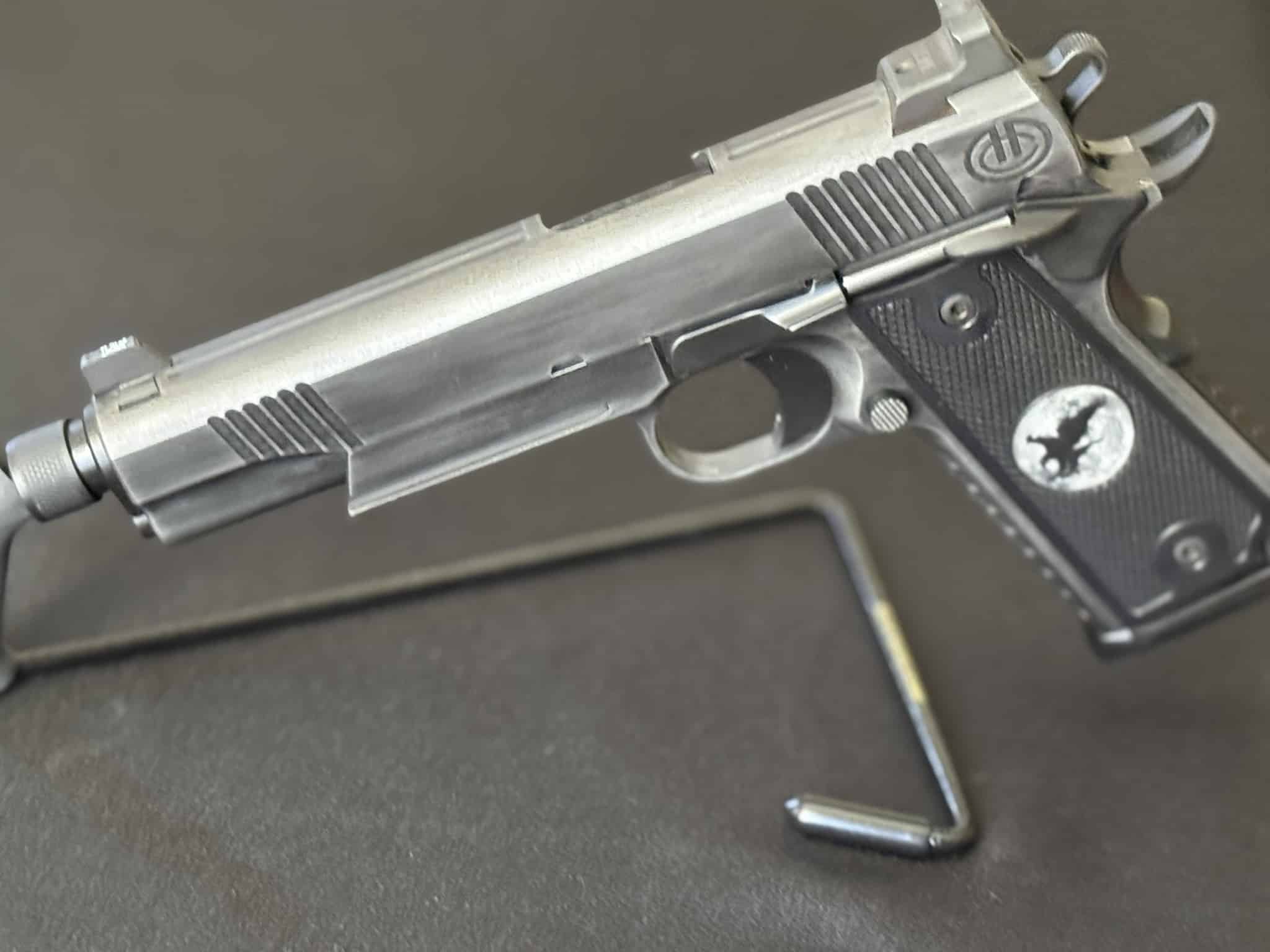
Nighthawk Custom 1911 AAC
A custom 1911 with threaded-barrel utility, match-grade fit, and hand-built Nighthawk character.
Read guide →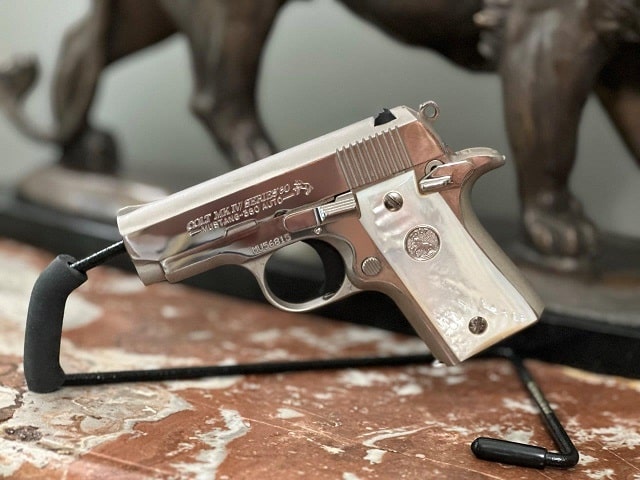
1992 Colt Mustang MKIV .380 ACP
A compact nickel Colt Mustang with mother-of-pearl grips and a Colt Archive letter.
Read guide →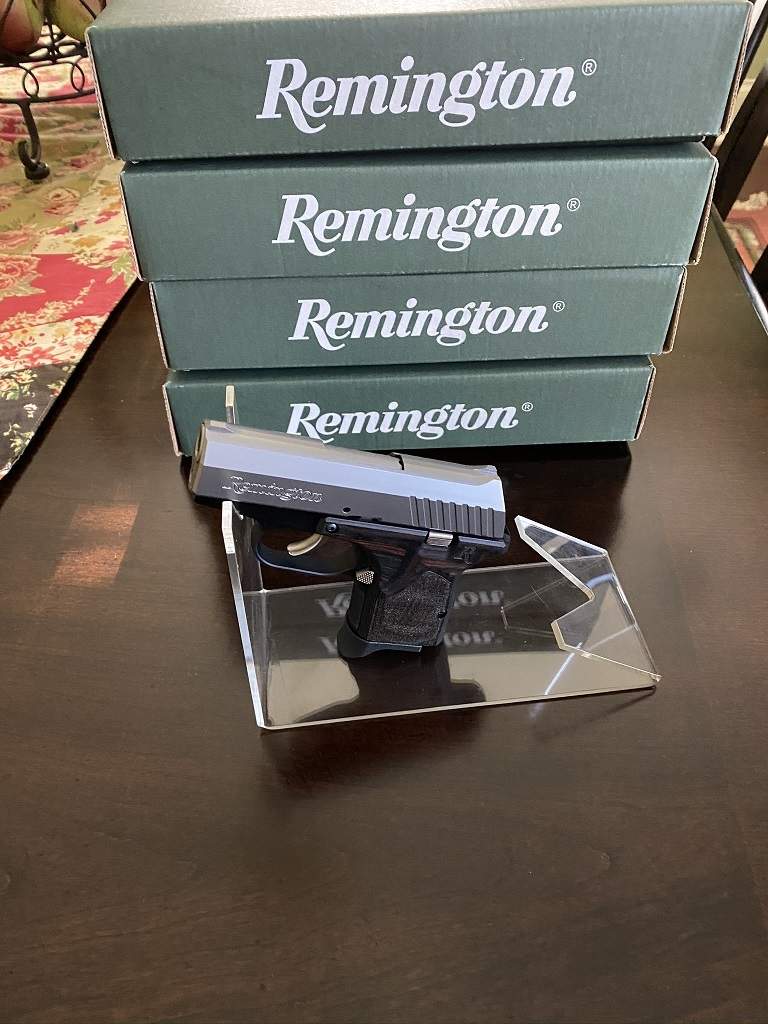
Remington RM380 Executive Model
A compact Huntsville-built .380 pocket pistol tied to the Rohrbaugh design lineage.
Read guide →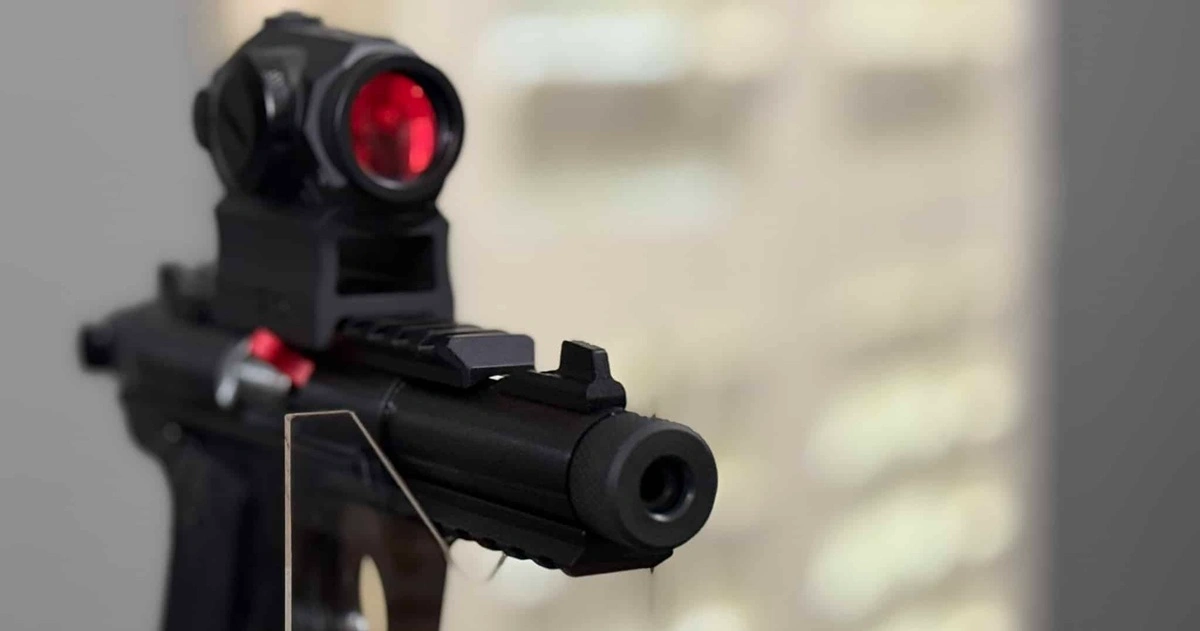
Ruger Mark .22 Pistol
The iconic Ruger rimfire line from the Standard Auto to the Mark series, with history, collector notes, and a modern red-dot setup.
Read guide →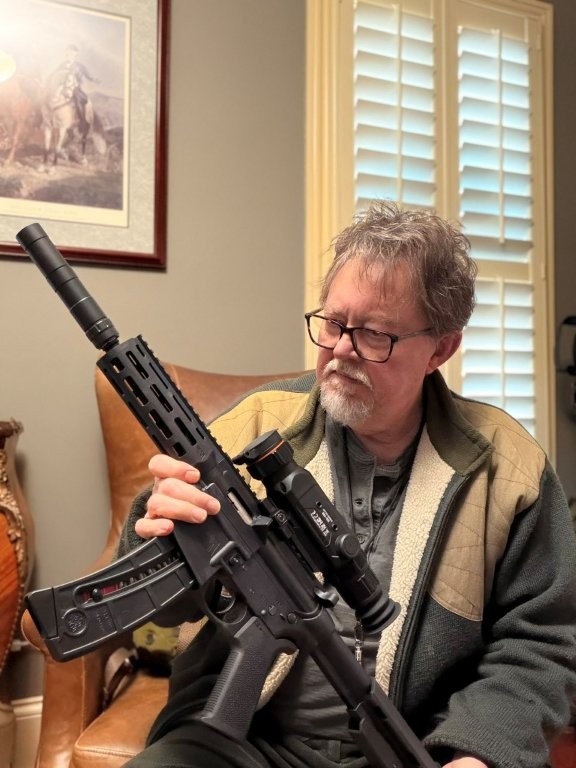
Smith & Wesson M&P15-22 Brace Pistol
A rimfire AR trainer and range report covering setup, handling, and suppressed-shooting appeal.
Read guide →
Colt All American 2000
Colt’s short-lived Stoner/Knight 9mm service-pistol experiment, now collected as an unusual modern Colt.
Read guide →Collector Resources
For research, storage, cleaning, photography, and reference books, I keep a curated Amazon list that supports the way these pages are built.
Browse My Gear ListAs an Amazon Associate I earn from qualifying purchases. The firearms shown on this site are not for sale.

About Greg Cook
Greg Cook writes about firearms collecting, personal history, and the stories behind interesting guns. His Army MOS was 76Y, Unit Armorer, and he brings that practical background to his collector articles.